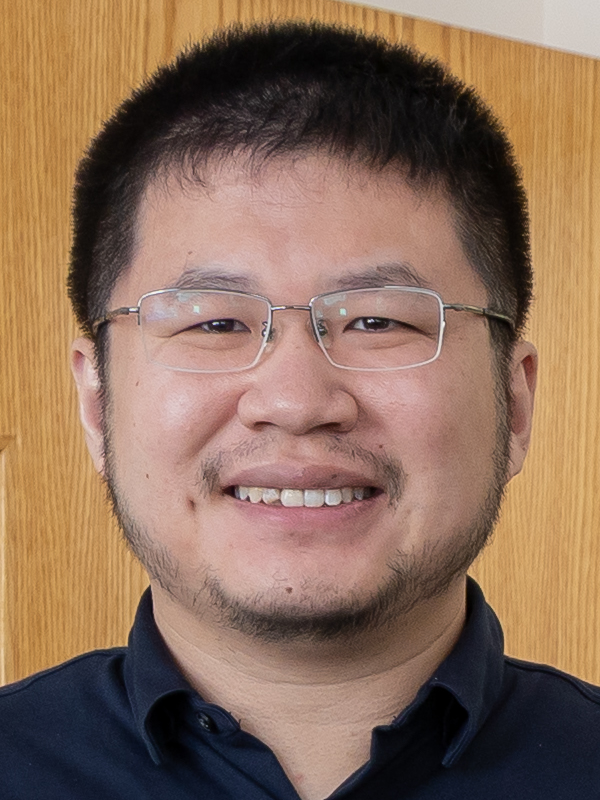
Feilong Ma
Principal Investigator
About Feilong
Feilong began his academic career at Beijing Normal University, working with Prof. Jia Liu, where he developed his interest in individual differences and brain–behavior relationships. He completed his Ph.D. in Cognitive Neuroscience at Dartmouth College under the supervision of Prof. James V. Haxby, focusing on individual differences in fine-grained brain functional architecture. He continued his research at Dartmouth as a Postdoctoral Fellow and later as a Research Assistant Professor. In 2025, Feilong joined the University of South Carolina, where he is expanding his research to the neural mechanisms of language abilities, aphasia, and other disorders.
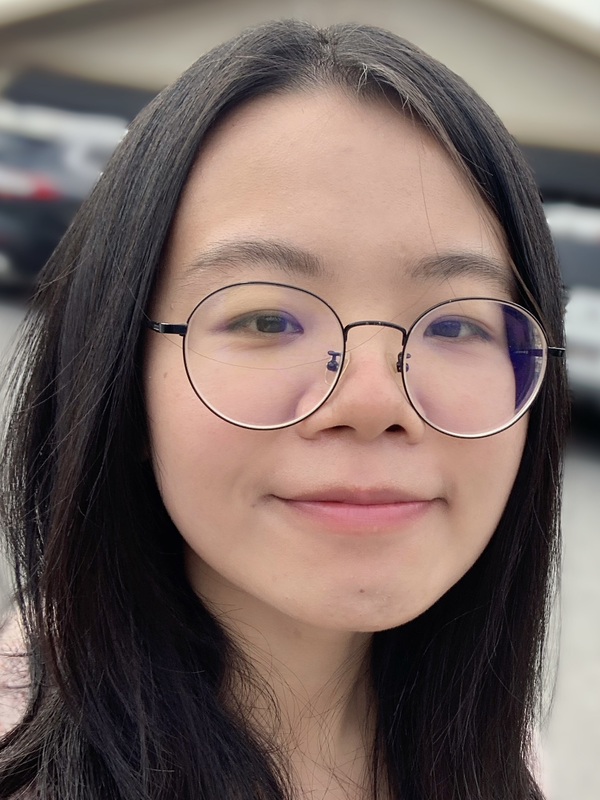
Cheng Xiao
Postdoctoral Fellow
About Cheng
Cheng Xiao completed her PhD in Linguistics at the University of South Carolina under the supervision of Drs. Jiang Liu and Rutvik Desai. Her doctoral dissertation examined how native and non-native speakers perceive and process emotional information conveyed through semantic and prosodic channels. In 2026, Cheng joined the Feilong Lab, where she uses computational methods and neuroimaging data to investigate individual differences in language processing and learning.
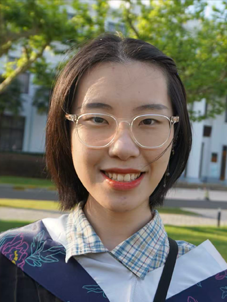
Ziyi Ding
Graduate Student
About Ziyi
Ziyi Ding earned both her Bachelor’s and Master’s degrees in Psychology from East China Normal University, where she worked under the supervision of Prof. Qing Cai. Her previous research focused on the construction of large-scale psycholinguistic datasets and the development of game-like language tasks for children. Joining the Feilong Lab in Fall 2026, Ziyi intends to improve language recovery and rehabilitation strategies for individuals with aphasia.
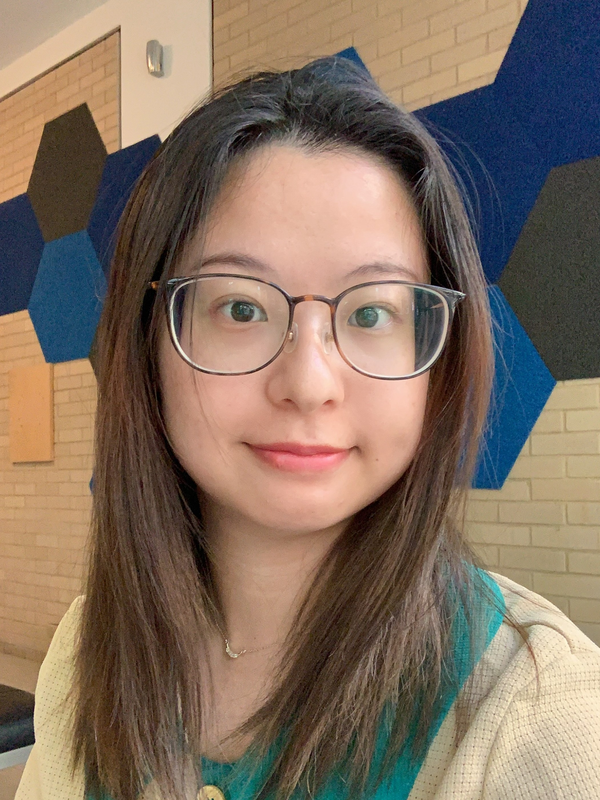
Wanzhi (Libby) Lyu
Research Assistant
About Libby
Libby Lyu received her B.S. in Psychology from the University of Iowa, where she worked with Drs. Eliot Hazeltine and Nicholas Trapp, and her M.A. in Social Sciences from the University of Chicago, where she worked with Dr. Monica Rosenberg. Before joining the Feilong Lab at the University of South Carolina, she worked as a research assistant at Boys Town National Research Hospital. Libby is broadly interested in how individual differences in brain function support cognition and behavior. She is particularly interested in how these differences vary across contexts and emotional states, and how the brain flexibly supports cognitive processes under different conditions. She plans to pursue a Ph.D. in psychology.
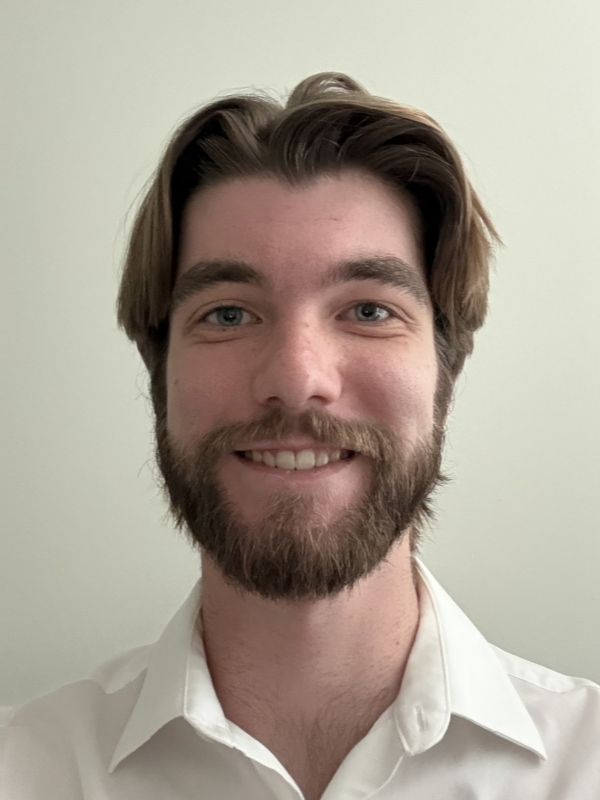
Ian Attmore
Provost Undergraduate AI Fellow
About Ian
Ian Attmore is a Provost Undergraduate AI Fellow at the University of South Carolina, where he is pursuing a B.S. in Computer Science with an AI concentration and a minor in Spanish, which he expects to earn in 2027. In 2026, he joined the Feilong Lab, where he is helping to develop a deep neural network for facial recognition and comparing its processes to brain function. Through this work, Ian is developing an interest in how artificial intelligence can be used to study brain function and better understand the human brain.